Introduction
Cashmere fiber is synonymous with luxury, elegance and comfort. This is a highly coveted fiber which is renowned for its unparalleled softness, warmth and lightweight nature by making it a staple in the wardrobes of those who appreciate it in high quality fashion. If you have ever wrapped yourself in a cashmere sweater, you know the sensation is akin to a gentle embrace.
But what exactly is cashmere made from, and what makes it so special? While historically linked to Kashmir, today Nepal is one of the premier producers of the high quality cashmere, along with China and Mongolia. Let us explore the origins, production and unique qualities of this exquisite material.
1. Cashmere Origins and Nepal Production
Cashmere comes from the soft undercoat of cashmere goats, which thrive in rugged, high-altitude regions. The name “cashmere” is derived from the Kashmir region, historically a hub of cashmere textile production.
Today, Nepal produces exceptional cashmere, benefiting from Himalayan climates and centuries old craftsmanship. Other major producers include China and Mongolia, each contributing fibers with subtle variations in softness and texture.
2. Historical Significance
Cashmere has a rich history dating back centuries, symbolizing opulence and sophistication. In Nepal, artisans continue to use traditional weaving and spinning techniques, preserving the luxurious feel and unique patterns that cashmere is known for.
Historically, cashmere textiles were highly prized and traded along ancient routes, representing both wealth and craftsmanship.
3. The Cashmere Goat and Its Environment
Cashmere goats, including those raised in Nepal’s Himalayan regions, develop a dense, insulating undercoat to survive harsh winters and high altitude climates. This soft undercoat is what produces the luxurious cashmere fibers.
The goats’ ability to thrive in such extreme conditions ensures the fiber is soft, resilient and warm, making it ideal for luxury garments.
4. Global Cashmere Production
While China and Mongolia dominate global production, Nepalese cashmere is highly valued for its fine texture and traditional handcrafting techniques. Iran, Afghanistan and India also contribute, each bringing subtle differences in fiber quality.
This diversity in origin results in variations in softness, durability and warmth, giving consumers a range of luxury cashmere options.
5. The Process of Harvesting Cashmere
Combing vs. Shearing
Cashmere is harvested annually, typically in spring when goats shed their winter coats. Combing is the traditional and preferred method, gently removing the soft undercoat to obtain the highest quality fibers. Shearing is faster but requires additional sorting to separate coarse hairs.
Sorting and Cleaning
After harvesting, fibers are meticulously sorted to remove coarse guard hairs. They are then washed and dehaired to remove impurities, resulting in pure, clean cashmere ready for spinning.
Spinning and Weaving
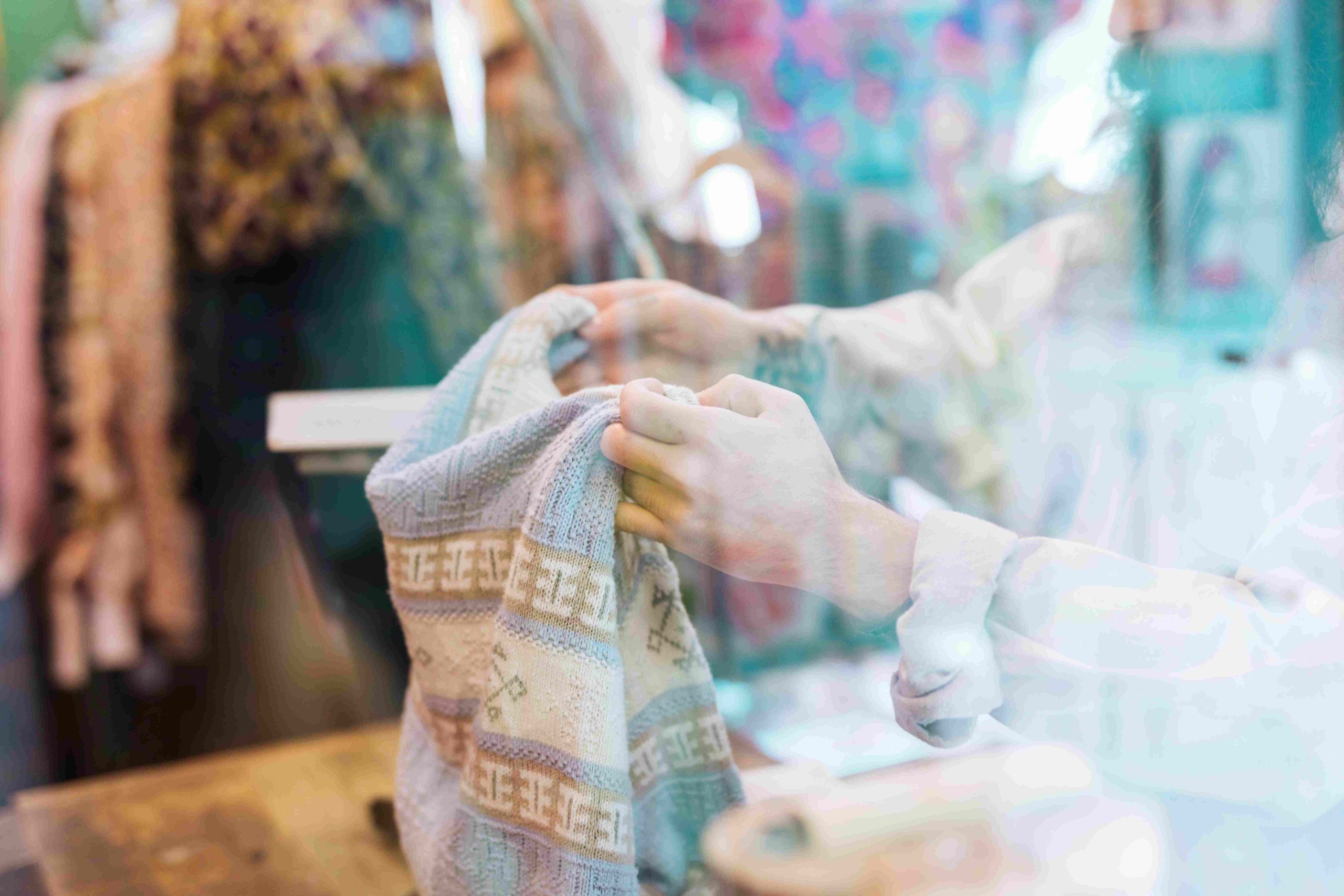
The fibers are spun into yarn and woven or knitted into fabrics. Skilled artisans, especially in Nepal, oversee every step to ensure the final product is soft, durable and luxurious.
6. Unique Properties of Cashmere
Softness and Comfort
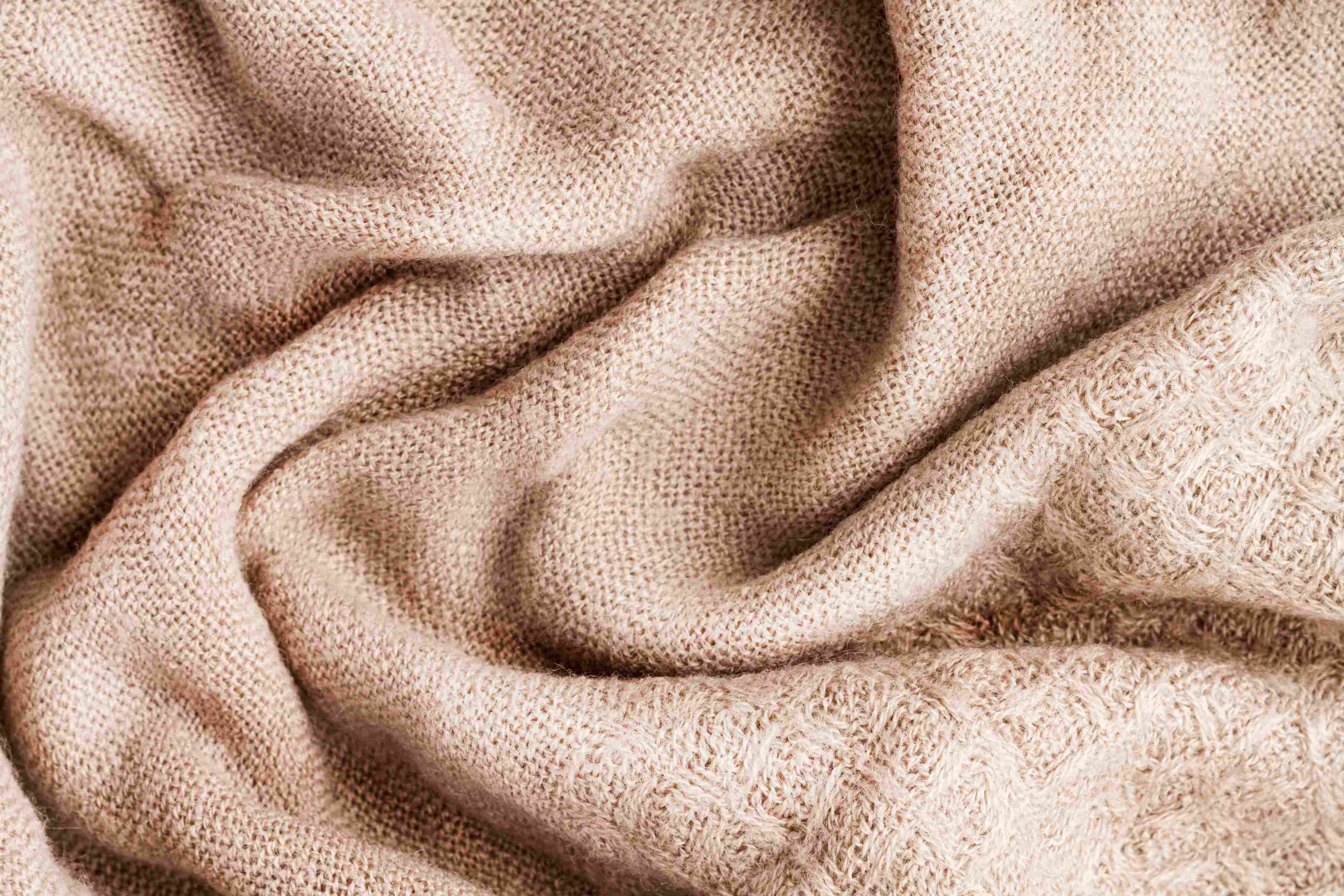
Cashmere fibers, measuring 15 to 19 microns in diameter, create a silky, gentle texture. Nepalese cashmere is especially prized for its fine micron count and luxurious softness.
Warmth and Insulation
Despite its lightweight nature, cashmere is up to eight times warmer than sheep’s wool. Its natural crimp traps air, creating warmth without bulk.
Durability and Longevity
With proper care, cashmere garments can last for many years. The fibers are strong and resilient, maintaining shape and softness over time.
Hypoallergenic Qualities
Cashmere lacks lanolin, making it naturally hypoallergenic and suitable for sensitive skin.
7. Environmental Impact and Sustainability
Sustainable Practices in Nepal
While cashmere is natural and biodegradable, overgrazing is a concern. In Nepal, sustainable production focuses on responsible grazing, animal welfare, and supporting local communities, preserving both the environment and fiber quality.
Consumer Responsibility
By choosing ethically sourced cashmere, consumers can support sustainable practices and contribute to a healthier industry.
8. Caring for Your Cashmere Garments
Washing and Drying
- Handwash in cool water with mild detergent.
- Press out water gently and avoid wringing.
- Lay flat to dry, keeping shape intact.
Storing Cashmere
- Fold neatly and avoid hanging.
- Store in breathable bags to prevent moth damage.
Repairing and Maintenance
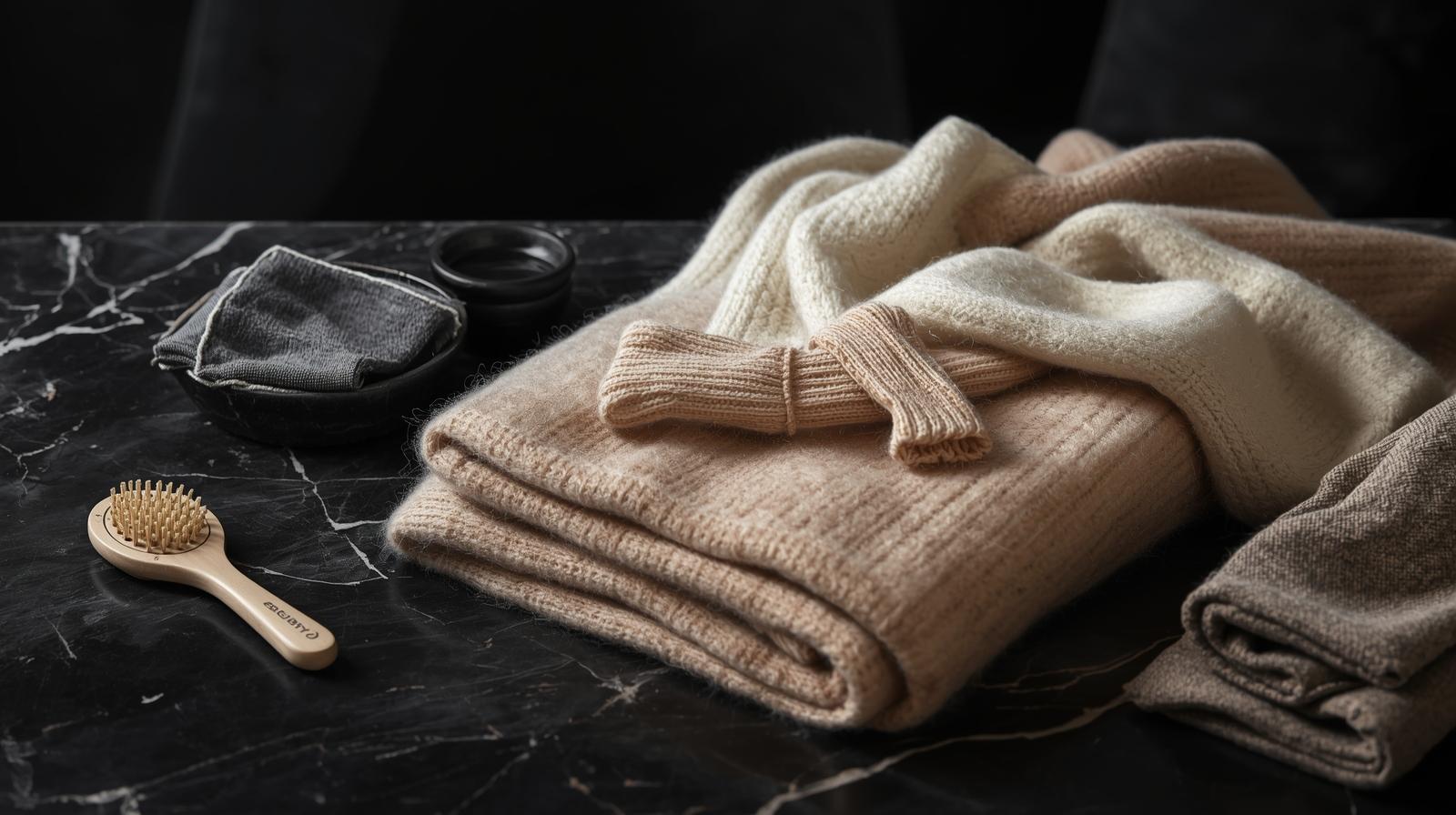
- Use a cashmere comb or fabric shaver for pilling.
- Seek professional repair for holes to extend garment life.
9. Conclusion
Cashmere is more than a fabric, basically it is a symbol of luxury, craftsmanship and timeless elegance. From Kashmir to the Himalayan regions of Nepal, understanding its origins, properties and proper care enhances appreciation for this exquisite fiber.By choosing and caring for Nepalese cashmere, you enjoy garments that are soft, warm and sustainable, contributing to a legacy of ethical luxury.
What is cashmere made from?
Cashmere is made from the soft undercoat of cashmere goats, which grow this fine fiber to survive cold, high-altitude climates. Nepal, China and Mongolia are the main producers of high quality cashmere.
Why is Nepalese cashmere considered special?
Nepalese cashmere is prized for its fine micron count, softness and traditional handcrafting techniques. The Himalayan climate and skilled artisans contribute to its luxurious texture and durability.
How is cashmere harvested?
Cashmere is typically harvested in spring, when goats shed their winter coats. The preferred method is hand-combing, which removes only the soft undercoat while minimizing stress to the goats. Shearing is faster but requires additional sorting.
How should I care for my cashmere garments?
Handwash in cool water with mild detergent.
Lay flat to dry; avoid wringing or hanging.
Fold neatly for storage and protection from moths.
Remove pills gently with a cashmere comb or fabric shaver.